Count Dracula stands as the most famous vampire in literary history. Created by Bram Stoker in his 1897 gothic horror novel Dracula, this undead Transylvanian nobleman has become the template for countless vampire stories that followed. Understanding the character as Stoker wrote him reveals a figure far more complex than the caped monster of popular culture. This article examines the origins, description, and powers of the original Count Dracula vampire, drawing on the novel and reliable historical sources.
Origins of the Character: Bram Stoker and Historical Inspiration
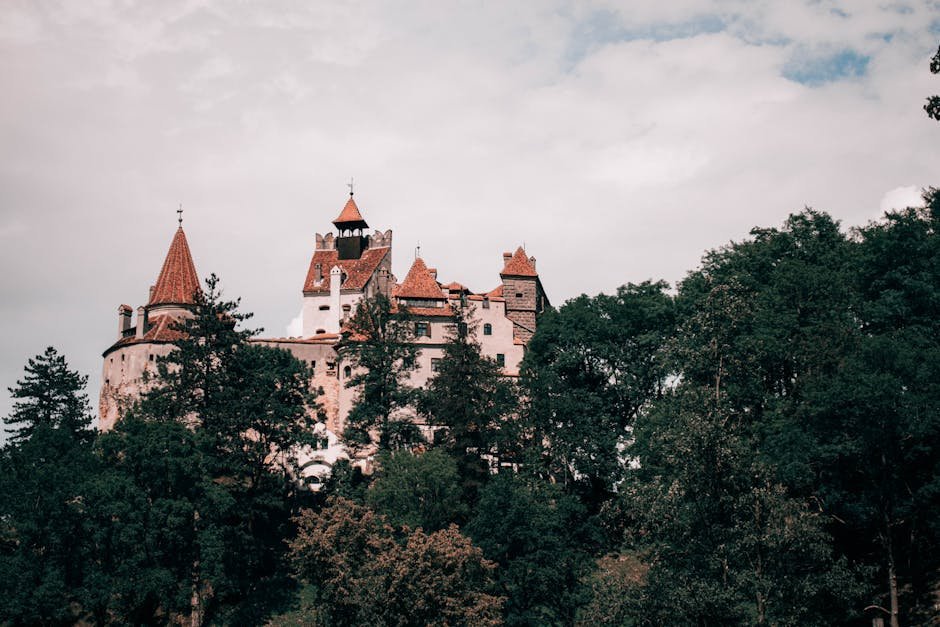
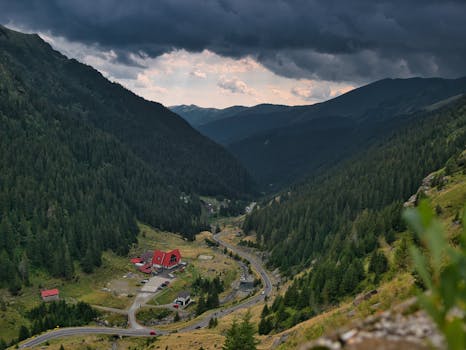
Count Dracula is the title character and main antagonist of Bram Stoker’s 1897 novel. He is an undead, centuries-old vampire and a Transylvanian nobleman who claims to be a Székely descended from Attila the Hun. He inhabits a decaying castle in the Carpathian Mountains near the Borgo Pass. Stoker built the character using folklore, Gothic conventions, and a name borrowed from history.
Stoker took the name “Dracula” from the patronymic of the 15th-century Wallachian prince Vlad III, known as Vlad the Impaler. In Romanian, “Dracul” means “dragon,” and Vlad’s father had been inducted into the Order of the Dragon, thus adopting the name. Stoker likely encountered the name in historical research. However, many sources, including the STAAR Theatre summary and discussions among historians, indicate that Stoker borrowed the name but did not directly base the character’s personality or deeds on Vlad the Impaler. The novel’s Dracula is a fictional creation, not a thinly veiled portrait of the historical prince. While some popular accounts claim a direct link, the evidence suggests Stoker was more inspired by vampire folklore and his own imagination than by Vlad’s historical atrocities.
Character Description: Appearance, Personality, and Age
In the novel, Count Dracula is initially described as an old man: thin, with a long white moustache, an aquiline nose, pointed ears, and sharp teeth. He is polite, formal, and educated, speaking fluent English and German. As the story progresses and he feeds on blood, he grows younger, his hair darkening and his complexion improving. This ability to reverse aging is part of his vampiric nature.
Stoker does not specify how old Dracula is or when he was turned into a vampire. The novel merely establishes that he is centuries old and claims to have led his people in battles against the Turks. Readers should be cautious about specific birth dates found on fan wikis; the original text does not provide a year of birth or a clear timeline for his vampiric transformation.
In terms of personality, Dracula is charismatic and cunning. He uses his charm to lure victims and his intellect to outmaneuver his human adversaries. He is nonetheless bound by certain limitations, such as the need to rest on his native soil and an inability to enter a home without an invitation.

Powers and Abilities: What Makes the Count Dracula Vampire Unique
The Count Dracula vampire possesses a range of supernatural abilities that have become standard in vampire lore. His most famous power is the ability to turn others into vampires by biting them. This act transmits his curse, creating new vampires under his control. He also has superhuman strength, the power to shapeshift into a wolf, a bat, or mist, and the ability to command nocturnal animals such as rats and owls.
Dracula can climb walls like a lizard and has hypnotic powers that allow him to control his victims’ wills. He does not cast a reflection and cannot be seen in mirrors, a detail that plays a crucial role in the novel. Sunlight does not kill him in Stoker’s original story, but it does weaken his powers. He is, however, vulnerable to sacred objects such as crucifixes and holy water, and can be killed by a wooden stake through the heart or a decapitation.
The novel does not explain how Dracula originally became a vampire. Fan wikis propose various theories, but the book itself leaves this origin mysterious. Stoker focuses on the threat Dracula poses to Victorian England rather than on his pre-vampire history.
Role in the Novel: The Vampire’s Quest and Downfall
In Dracula, the count leaves his castle in Transylvania to travel to England, where he plans to spread his undead curse. He targets Jonathan Harker’s fiancée, Mina, and her friend Lucy Westenra. A small group of heroes, led by Professor Abraham Van Helsing, pursues him across Europe. The story is told through letters, diary entries, and newspaper clippings, a technique that builds suspense and gives readers multiple perspectives on the vampire’s activities.
Dracula’s ultimate goal is to create a new race of vampires, beginning with the women he attacks. He is eventually tracked back to his castle, where the protagonists destroy him by stabbing him in the heart and cutting off his head. In death, his body crumbles to dust, freeing Mina from his curse.
Legacy: Why Count Dracula Remains the Archetypal Vampire
Count Dracula is considered the prototypical and archetypal vampire in subsequent works of fiction. Before Stoker, vampires in literature were often monstrous and mindless. Stoker’s creation was handsome, intelligent, and seductive, traits that have become central to the modern vampire image. His influence can be seen in countless films, television shows, books, and games, from Bela Lugosi’s iconic portrayal to more recent adaptations such as Dracula Untold and the BBC series Dracula.
The character’s name is so recognizable that it has entered the English language as a synonym for vampire. The novel itself remains a cornerstone of gothic literature and is widely taught in schools and studied by scholars. Readers interested in exploring the original text can find affordable ebook editions at sites like ClassicLiteratureBooks.com, where Dracula is available in Epub and Kindle formats.
Despite many adaptations, the original Count Dracula vampire as written by Bram Stoker retains a distinct identity. He is not merely a monster but a tragic, ancient figure who seeks to survive and expand his dominion. His story continues to fascinate new generations of readers, proving that well-crafted horror fiction never truly dies.
Frequently Asked Questions
Is Count Dracula based on Vlad the Impaler?
Bram Stoker borrowed the name “Dracula” from Vlad III, but most reliable sources indicate he did not base the character directly on the historical prince. The novel’s vampire is a fictional creation inspired by folklore, not a biographical portrait of Vlad the Impaler.
How did Count Dracula become a vampire in the original novel?
Stoker’s novel does not specify how Dracula originally became a vampire. The book leaves his origin mysterious, focusing on his actions in the present rather than his transformation. Fan wikis offer various theories, but these are not part of the original story.
What are Count Dracula’s main weaknesses?
In the novel, Dracula is vulnerable to crucifixes, holy water, and garlic. He can be killed by a wooden stake through the heart or by decapitation. Sunlight weakens him but does not destroy him, unlike in many later adaptations. He also cannot enter a home without an invitation.
Why is Count Dracula considered the archetypal vampire?
Count Dracula is the prototypical vampire because Stoker combined traditional folklore with original traits such as charisma, intelligence, and the ability to turn victims into vampires. This portrayal set the standard for all subsequent vampire fiction, influencing countless books and films.
Whether you are discovering Bram Stoker’s Dracula for the first time or revisiting it as a longtime fan, the novel offers a rich and chilling experience. The Count Dracula vampire remains a central figure in classic literature, and reading the original text provides the clearest understanding of his enduring power.