
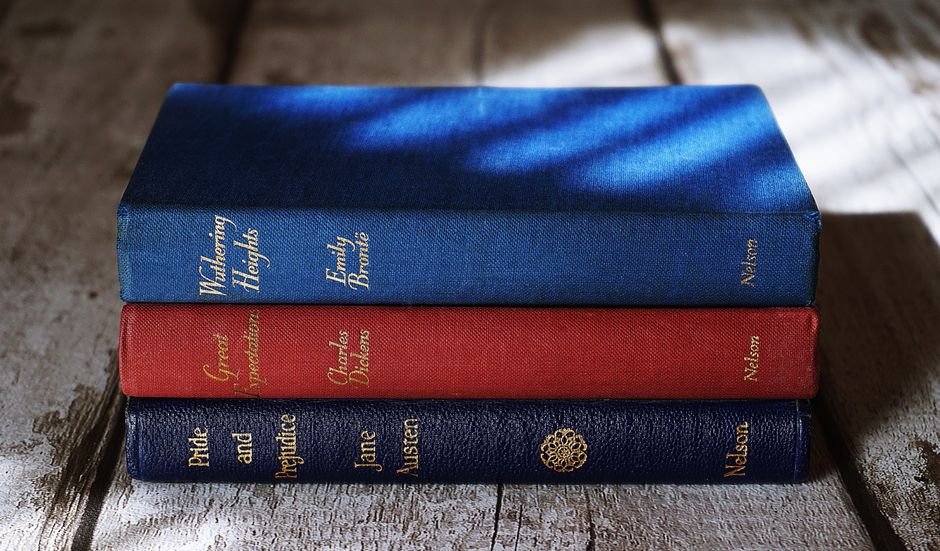
Great Expectations by Charles Dickens is the 13th novel by Charles Dickens and his penultimate completed novel. Published serially from December 1860 to August 1861 in Dickens’s weekly periodical All the Year Round, and later in three-volume book form by Chapman & Hall in October 1861, the story has captivated readers for generations. It follows the life of an orphan named Pip as he rises from humble beginnings to become a gentleman, only to discover that wealth and status do not guarantee happiness. Through its vivid characters and moral complexity, the novel remains one of the most studied and beloved works in English literature.
Publication and Early Reception of Great Expectations by Charles Dickens
Dickens wrote Great Expectations at the height of his career. The serial format allowed him to gauge reader reactions and adjust the plot accordingly. Each weekly installment kept audiences eagerly awaiting the next chapter. When the complete novel appeared in three volumes, critics praised its tightly constructed plot and psychological depth. It has since become a staple of classic literature, ranked 17th in the BBC’s The Big Read poll in 2003. The novel is 544 pages in a typical paperback edition, though page counts vary by publisher.
Plot Overview
The story is set in Kent and London during the early to mid-19th century. It is divided into three stages, each marking a phase in the protagonist’s development.
Stage One: Childhood and the Convict
Pip, an orphan raised by his harsh sister and her kind blacksmith husband Joe Gargery, encounters an escaped convict named Abel Magwitch in a churchyard. Terrified, Pip brings the man food and a file. Later, the convict is recaptured, but Pip’s act of kindness will have unexpected consequences. Meanwhile, Pip is summoned to the decaying mansion of Miss Havisham, a wealthy spinster who has stopped all her clocks and wears her wedding dress from decades ago. There he meets her beautiful but cold ward, Estella, who mocks his coarse hands and common background. Pip falls in love with Estella and becomes ashamed of his low social standing.
Stage Two: The Great Expectations
Years later, a lawyer named Jaggers informs Pip that an anonymous benefactor has provided a fortune for him to become a gentleman. Pip assumes the benefactor is Miss Havisham, who intends him to marry Estella. He moves to London, learns gentlemanly manners, and distances himself from Joe and his former life. As his pride grows, he treats Joe coldly and neglects his true friends. But the source of his wealth is not what he imagines.
Stage Three: Revelation and Redemption
On a stormy night, the convict Magwitch reappears, revealing himself as Pip’s true benefactor. Pip is horrified, but gradually learns that Magwitch has been a victim of injustice and desires Pip’s success as a way to defy society. Meanwhile, Miss Havisham’s cruel manipulation of Estella becomes clear, and Pip must confront his own snobbery. After a series of trials, including a threat from Magwitch’s enemy, Pip loses his fortune but gains a truer understanding of love, loyalty, and self-worth. The novel ends with a sense of reconciliation, though two versions of the ending exist.

Key Characters
Great Expectations features a rich cast of memorable figures. Pip (Philip Pirrip) is the narrator and protagonist, an orphan whose journey from innocence to experience drives the narrative. Joe Gargery, the gentle blacksmith, represents genuine goodness and loyalty. Miss Havisham, the eccentric recluse who refuses to move past her own jilting at the altar, uses Estella to take revenge on the male sex. Estella, raised without a heart, becomes the object of Pip’s hopeless love. Abel Magwitch, the escaped convict, turns out to be the secret architect of Pip’s fortune, and his character challenges Pip’s ideas about criminality and worth. Other important characters include the lawyer Jaggers, his clerk Wemmick, and Pip’s friend Herbert Pocket.
Major Themes
The novel explores several intertwined themes. Wealth and poverty are central, as Pip learns that money does not equal morality. Love and rejection run through Pip’s relationships with Estella, Joe, and Magwitch. The triumph of good over evil is shown in the way characters like Joe and Magwitch, despite their circumstances, demonstrate genuine virtue. Social class and ambition are questioned, and Pip’s journey is ultimately a moral education. Dickens also criticizes the legal system, prison conditions, and the harshness of Victorian society.
Literary Structure and Narration
Great Expectations is a bildungsroman, or coming-of-age story, narrated in the first person. It is the second Dickens novel to use this technique, after David Copperfield. The first-person perspective allows readers to experience Pip’s growth, mistakes, and regrets intimately. The narrative is divided into three clear stages that mirror the three stages of Pip’s expectations, giving the novel a balanced, almost architectural shape. The use of a retrospective narrator means that the adult Pip can comment on his younger self, adding irony and moral reflection.

The Original and Published Endings
Dickens originally wrote a different ending for Great Expectations, but he changed it after being advised by the novelist Edward Bulwer-Lytton. The original ending, which was discarded but later preserved in some editions, has Pip and Estella meeting briefly in London and parting forever, without reconciliation. The published ending offers a more hopeful reunion, suggesting that Pip and Estella may stay together. Most modern editions include the published ending, but some, like the definitive Clarendon text, also present the original for comparison. Readers interested in both versions can find editions that include the discarded ending.
Legacy and Adaptations
Great Expectations has been adapted numerous times for film, television, and stage. It remains a set text in many schools and universities around the world. Its exploration of identity, class, and redemption continues to resonate. Characters like Miss Havisham and Magwitch have entered the cultural imagination. In 2003, the BBC’s The Big Read survey ranked the novel 17th, demonstrating its lasting appeal.
Why Read Great Expectations Today?
For anyone exploring classic literature, Great Expectations offers a gripping story, unforgettable characters, and deep moral questions. It is a novel that rewards multiple readings, revealing new layers each time. Whether you are a student, a teacher, or a casual reader, the story of Pip’s journey from the marshes of Kent to the drawing rooms of London remains as moving as ever. Digital editions are widely available, including affordable ebooks in Epub and Kindle formats that make it easy to carry this masterpiece wherever you go.
Frequently Asked Questions
What is the main message of Great Expectations?
The novel does not offer a single message, but it explores several central themes: the corrupting nature of wealth, the importance of genuine love and loyalty over social status, and the possibility of redemption through self-awareness. Pip learns that true gentility comes from character, not money. Dickens also critiques Victorian class divisions and the injustice of the legal system.
Is Great Expectations based on Charles Dickens’s own life?
While Great Expectations is not autobiographical like David Copperfield, it draws on Dickens’s own experiences with social climbing, childhood hardship, and his observations of the legal world. The character of Pip reflects some of Dickens’s anxieties about class and identity. However, Pip’s story is entirely fictional, and the novel should be read as a work of imagination rather than memoir.
How many pages does Great Expectations have?
A standard paperback edition of Great Expectations typically contains 544 pages. This count can vary depending on the publisher, font size, and whether the edition includes notes or the discarded ending. The original 1861 three-volume edition had different page counts per volume, but modern paperbacks generally run around 500 to 600 pages.
Great Expectations remains a cornerstone of classic literature. Its blend of suspense, social criticism, and psychological insight ensures that new generations of readers continue to discover the power of Dickens’s storytelling. Whether you are revisiting the novel or reading it for the first time, its lessons about ambition, humility, and the true meaning of a gentleman are as relevant today as they were in 1860.