
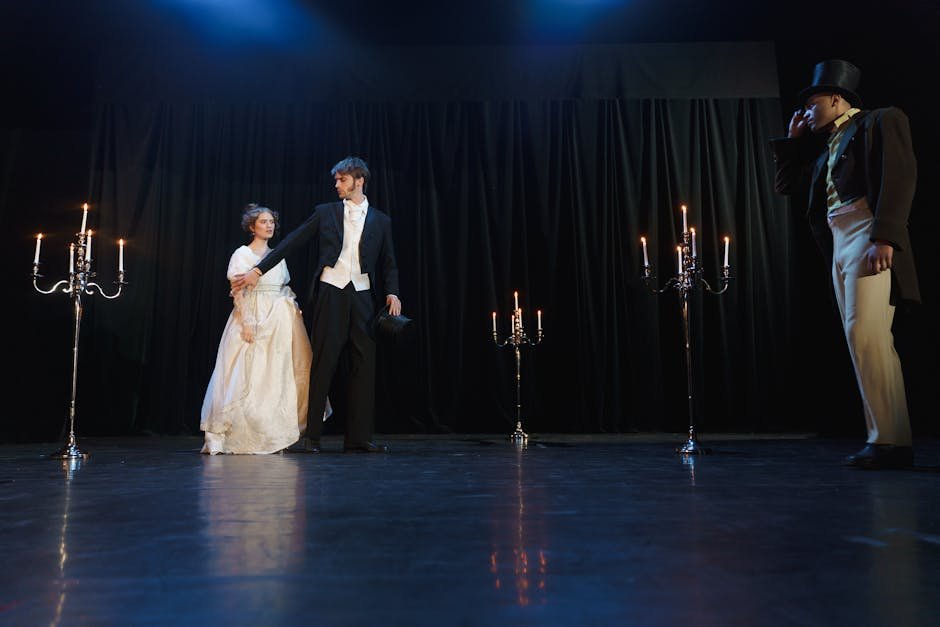
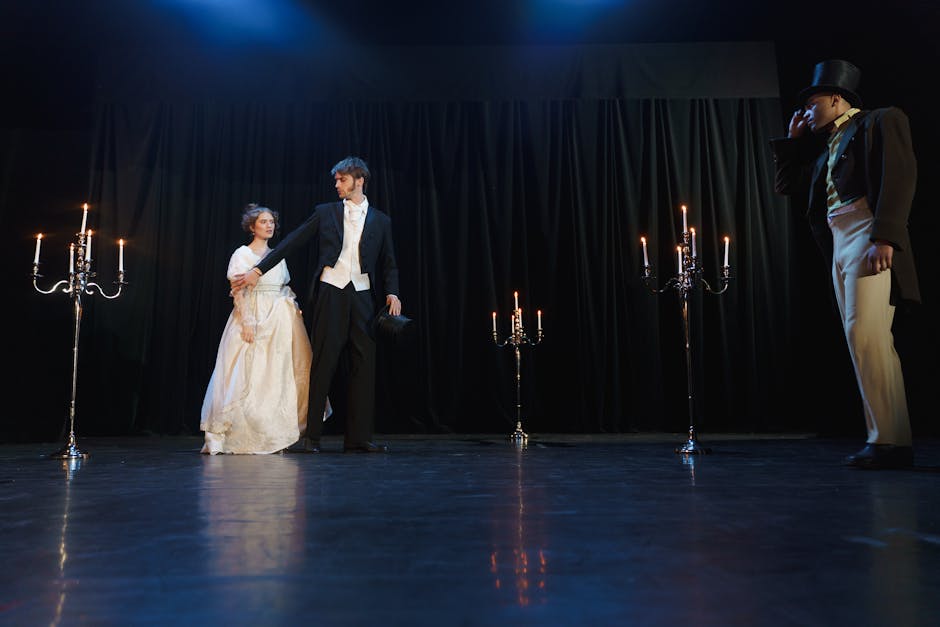
George Bernard Shaw wrote Pygmalion the play in 1912, naming the play after the Greek mythological figure. It was first presented onstage in German translation, premiering in 1913. The play is one of Shaw’s most famous works, a sharp comedy that examines social class, identity, and the power of language. Set in early 20th century London, Pygmalion follows a professor of linguistics who wagers that he can transform a poor flower seller into a woman who passes as a duchess. The story has resonated with audiences for more than a century and remains a staple of classic literature.
Origins of Pygmalion the Play
The Greek Myth of Pygmalion
The play takes its name from an ancient story. In Greek mythology, Pygmalion was a sculptor living in the city of Amathus on Cyprus. According to Ovid’s version, he had come to shut out the world around him, choosing instead to focus on his work. He carved a statue of a woman so beautiful that he fell in love with it. The goddess Aphrodite brought the statue to life, and Pygmalion married her. Shaw repurposed this myth for a modern setting, replacing the sculptor with a phonetics professor and the statue with a living woman whose speech and manners are reshaped.
George Bernard Shaw and the Edwardian Stage
By 1912, Shaw was already a leading playwright known for his wit and social criticism. Pygmalion was written in five acts, a structure that allowed Shaw to develop his characters and themes in detail. The play was first presented onstage in German translation before it reached London audiences. Shaw used the story to challenge Edwardian assumptions about class, education, and personal worth. The play mixes comedy with serious questions about whether a person’s identity can be truly changed by outward refinement.
Plot Summary of Pygmalion
Two old gentlemen meet in the rain one night at Covent Garden. Professor Higgins is a scientist of phonetics, and Colonel Pickering is a linguist of Indian dialects. They encounter a poor flower girl named Eliza Doolittle, whose Cockney speech shocks Higgins. Fascinated by the challenge, Higgins boasts that he could pass her off as a duchess in six months just by teaching her to speak properly. Pickering takes the bet, and Eliza moves into Higgins’s home to begin her transformation.
The training is grueling. Higgins treats Eliza harshly, focusing only on her pronunciation. Yet she perseveres. After months of practice, she is presented at an ambassador’s garden party, where she charms everyone and is mistaken for royalty. The experiment succeeds, but Eliza is left with a painful question: now that she speaks like a lady, where does she belong? She cannot return to her old life as a flower seller, and Higgins refuses to see her as an equal. The ending of the play leaves her future ambiguous, though she ultimately walks away from Higgins with a new sense of independence.

Key Characters
Character | Role |
|---|---|
Professor Henry Higgins | A phonetics expert who believes speech determines social status. |
Eliza Doolittle | A Cockney flower seller who becomes the subject of Higgins’s experiment. |
Colonel Pickering | A linguist and gentleman who treats Eliza with courtesy, in contrast to Higgins. |
Alfred Doolittle | Eliza’s father, a dustman with a lively philosophy of poverty. |
Mrs. Higgins | Henry’s mother, who sees the human cost of her son’s experiment. |
Mrs. Pearce | Higgins’s housekeeper, who tries to maintain decency in his chaotic household. |
Each character represents a different attitude toward class and transformation. Higgins embodies the arrogance of intellectual power, while Pickering shows that kindness and respect are just as important as correct speech. Eliza grows from a victim of circumstance into a woman who demands to be treated as a person, not a project.
Major Themes in Pygmalion
Social Class and Identity
The play explores how class is performed through language, manners, and dress. Eliza’s transformation shows that the markers of high society can be learned, but the play questions whether that learning changes a person’s true identity. Higgins can teach her to sound like a duchess, but he cannot teach her to be accepted as one by those who know her past.
The Power of Language
Shaw was deeply interested in phonetics and spelling reform. In Pygmalion, language is the tool that controls social mobility. Higgins’s expertise gives him the power to remake Eliza, but it also reveals his own limitations. He can change her speech, but he cannot control her heart or her growing sense of self.
Transformation and Independence
The title of the play points to the idea of creation and transformation, but Shaw twists the myth. Where the original Pygmalion sculpted a passive statue, Higgins tries to sculpt a living woman. Eliza refuses to remain an object. Her transformation is not just about speech; it is about gaining the confidence to choose her own path. By the end, she asserts her independence in a way that the myth never allowed.

Adaptations and Legacy
Pygmalion has been performed countless times around the world since its 1912 premiere. It has also been adapted into film and musical theatre. The most famous adaptation is the 1956 musical My Fair Lady, which kept the basic story and characters while adding songs and a romantic ending. The play itself, however, ends more ambiguously, leaving audiences to decide what happens next for Eliza and Higgins. The original text remains a powerful work of social commentary, as relevant today as it was over a century ago.

Why Pygmalion Still Matters
The questions Shaw raised about class, education, and personal worth have not gone away. In an era where accents and appearance still shape opportunities, Pygmalion reminds us that the people we become are partly a product of the chances we are given. The play also stands as a testament to Shaw’s sharp dialogue and his ability to make audiences laugh while making them think. For readers interested in classic literature, Pygmalion is a rewarding, thought-provoking read that rewards multiple visits.
Whether you are encountering the play for the first time or returning to it, the experience of watching Eliza Doolittle find her voice is one that never loses its power. ClassicLiteratureBooks.com offers a digital edition of Pygmalion and many other works by Bernard Shaw, available in Epub and Kindle formats for a low price, so you can enjoy this timeless play on any device.
Frequently Asked Questions
What is the play Pygmalion about?
Pygmalion is about a phonetics professor, Henry Higgins, who bets that he can turn a Cockney flower girl named Eliza Doolittle into a lady by teaching her to speak properly. The play follows her transformation and the social and personal consequences that come with it. Set in early 20th century London, it explores themes of class, identity, and independence.
Is Pygmalion the same as My Fair Lady?
No, they are different works. Pygmalion is the original play by George Bernard Shaw, written in 1912. My Fair Lady is a 1956 musical adaptation of the play, with music by Frederick Loewe and lyrics by Alan Jay Lerner. While the musical keeps the basic story, it adds songs and a more romantic ending, whereas the play ends with more ambiguity.
What is the main message of Pygmalion?
The main message is that social class is not a fixed, natural quality but something that can be learned and performed. The play also questions whether outward transformation changes a person’s true self. Shaw uses the story to criticize rigid class structures and to argue for the value of self-respect and independence over social climbing.
How does the play end?
Eliza successfully passes as a duchess at the ambassador’s garden party. But afterward, she confronts Higgins about her future. She refuses to be treated as a mere experiment and leaves his household to pursue her own life. The play ends with Higgins laughing at the idea that she might marry someone else, but Eliza’s final fate is left open to interpretation.
Who are the main characters in Pygmalion?
The main characters are Professor Henry Higgins, a phonetics expert; Eliza Doolittle, the flower girl he transforms; Colonel Pickering, a linguist and Higgins’s friend; Alfred Doolittle, Eliza’s father; Mrs. Higgins, Henry’s mother; and Mrs. Pearce, the housekeeper. Each plays a role in Eliza’s journey and the play’s exploration of class and identity.