
Few works of twentieth-century literature have maintained the unsettling power of Franz Kafka’s The Metamorphosis book. Published in 1915, this novella, originally titled Die Verwandlung in German, continues to captivate readers with its stark depiction of alienation, family dynamics, and the absurd. The story follows Gregor Samsa, a traveling salesman who wakes one morning to find himself transformed into a monstrous insect. From that startling opening, Kafka builds a narrative that is both surreal and deeply human.
Background and Publication History
Kafka wrote The Metamorphosis during a period of intense creativity. The novella was first published in October 1915 in the journal Die weißen Blätter. Later that year, in December 1915, it appeared as a book edition in the series Der jüngste Tag. The work runs approximately 72 pages, though some modern editions vary slightly in page count (for example, an Independently Published edition from 2021 lists 88 pages).
The original German text describes Gregor’s new form as ungeheueres Ungeziefer, which translates roughly to “monstrous vermin.” Translators have rendered this phrase in different ways over the years. David Wyllie’s English version uses “horrible vermin,” while the classic translation by Willa and Edwin Muir opts for “gigantic insect.” These choices subtly shape how readers imagine the creature.
Plot Summary
The story begins with one of the most famous first lines in literature: “One morning, when Gregor Samsa woke from troubled dreams, he found himself transformed in his bed into a horrible vermin.” From this moment, everything changes for Gregor and his family. He struggles to move with his new body, worried about missing his train and losing his job as a traveling salesman. His family, including his sister Grete, reacts with shock and eventually revulsion.
As the novella progresses, Gregor’s condition forces the Samsa family to adapt. Grete initially cares for him, bringing food and cleaning his room, but over time her compassion fades. The family takes in boarders to make money, and Gregor’s presence becomes an increasing burden. In the end, Gregor dies by starvation, his body discovered by the charwoman. After his death, the family feels a sense of relief and begins to make optimistic plans for their future.
Themes and Interpretations
Alienation and Identity
Gregor’s transformation is often read as a metaphor for the isolation many people experience in modern life. As a traveling salesman, he already felt disconnected from his family and his own desires. His physical change merely makes visible the alienation that was already present. The family’s gradual rejection mirrors how society often treats those who become different or burdensome.
Family Dynamics and Duty
The Samsa family’s response reveals a great deal about human loyalty and selfishness. Grete starts as a sympathetic figure, but she eventually declares that the creature is no longer Gregor and must go. The father, who had been weak and dependent, regains his authority by driving Gregor back into his room. The mother struggles between love and horror. Kafka does not offer easy judgments; he simply presents the painful breakdown of family bonds under extreme circumstances.
The Absurd and the Existential
Kafka’s work is often associated with existentialist thought, though he predates the formal movement. The Metamorphosis presents a world where events occur without explanation. Gregor never questions why he transformed; he simply tries to manage the consequences. This approach forces readers to confront the arbitrary nature of existence and the limits of human control.
The Insect Question: What Did Gregor Become?
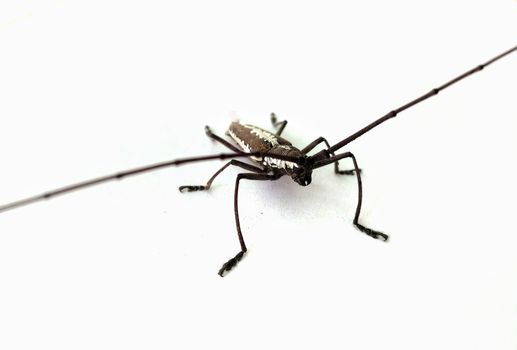
One of the most discussed aspects of The Metamorphosis is the precise nature of Gregor’s new form. Kafka deliberately never specifies the species. The German term ungeheueres Ungeziefer suggests a vermin, a creature considered unclean and pestilent. Popular culture often depicts him as a cockroach, but the text itself does not support that identification. Translators have used words like “insect,” “vermin,” and “beetle,” but none is authoritative.
This ambiguity is intentional. By leaving the creature undefined, Kafka keeps the focus on Gregor’s human consciousness trapped inside an unrecognizable body. Readers are forced to imagine the horror without a clear visual referent, making the story more universal. Any attempt to pin down the exact insect would reduce the novella’s power.
Translations and Editions
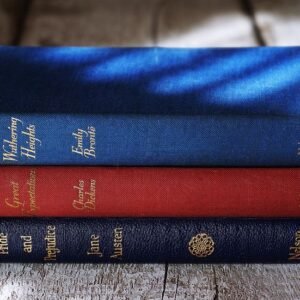
Because The Metamorphosis is in the public domain, many translations and editions are available. The most influential early English translation was done by Willa and Edwin Muir in 1933. Later translators, such as David Wyllie and Stanley Corngold, have offered their own interpretations. Each translation makes slightly different choices in vocabulary and sentence rhythm, which can affect the mood of the story.
Readers looking for an affordable digital edition can find the novella in various e-book formats. The page count may vary: while the original text is about 72 pages, some paperback editions reach 88 pages due to front matter, notes, or larger font size. For a quick and reliable reading experience, many readers prefer to buy a dedicated digital copy rather than rely on free online versions that may contain formatting errors.
Why Read The Metamorphosis Book Today?
More than a century after its publication, The Metamorphosis remains relevant. Its themes of isolation, family obligation, and the absurdity of life speak to modern concerns about work, mental health, and social expectations. The story is short enough to read in a single sitting but rich enough to provoke discussion for years. It appears on countless school and university syllabi, and it continues to inspire adaptations in film, theater, and visual art.
For those seeking a deeper understanding of twentieth-century literature, The Metamorphosis is essential. It exemplifies the blend of realism and fantasy that characterizes Kafka’s unique style. Whether you approach it as a psychological case study, a social critique, or simply a compelling story, the novella delivers an experience that lingers long after the final page.
If you are ready to explore this classic, ClassicLiteratureBooks.com offers a curated selection of timeless works, including digital editions of Franz Kafka’s The Metamorphosis. Each ebook is available in Epub and Kindle formats for $2.99, making it easy to add this masterpiece to your personal library.
Frequently Asked Questions
How long is The Metamorphosis?
The novella is approximately 72 pages in the standard edition, though some print versions may reach 88 pages depending on formatting and additional material. It is a short read, typically finished in two hours or less.
What does the original German title mean?
The original title, Die Verwandlung, translates directly to “The Transformation.” This simpler title avoids the more specific – and more ominous – connotations of the English “Metamorphosis,” which derives from Greek and implies a complete change of form.
Why did Gregor Samsa turn into an insect?
Kafka never explains the reason for the transformation. The story deliberately omits any cause, leaving the event as a sudden, unexplained disruption. This ambiguity allows readers to focus on the consequences rather than the cause, which is central to the novella’s existential impact.
Is the insect definitely a cockroach?
No. Kafka’s text describes Gregor as a “monstrous vermin” but never specifies the species. Popular culture often imagines a cockroach, but scholars note that the original German word Ungeziefer is a general term for unwanted pests. The ambiguity is intentional and important to the story.
What happens to the Samsa family after Gregor dies?
After Gregor’s death, the family feels a sense of relief and renewal. They decide to move to a smaller apartment and make optimistic plans for their future. Grete, who has grown into a young woman, is seen as having a new vitality. The novella ends on this somewhat hopeful but ironic note.