Lewis Carroll’s Alice’s Adventures in Wonderland introduces readers to a memorable cast of characters, each contributing to the dreamlike and often absurd world Alice discovers after following a rabbit down a hole. Understanding the primary characters for Alice in Wonderland helps readers appreciate the story’s humor, tension, and imaginative logic. This guide covers the most important figures from the original 1865 novel, based on the book itself rather than later adaptations or the sequel Through the Looking-Glass.
Alice: The Curious Protagonist
Alice is the protagonist of Alice’s Adventures in Wonderland. She is a young girl with a strong sense of curiosity, which leads her to follow the White Rabbit into Wonderland. Throughout her journey, Alice repeatedly changes size after eating or drinking various items, learning to adapt to the unpredictable rules of this strange world. She often questions the illogical behavior of the creatures she meets, maintaining a levelheaded perspective even as the situation grows more chaotic. Alice’s observations and internal thoughts drive the narrative, making her the anchor for readers navigating the story’s fantastical events.
The White Rabbit: The Herald of Wonderland
The White Rabbit is the first Wonderland character Alice encounters. He appears early in the story, nervously checking his pocket watch and muttering about being late. His hurried departure from the riverbank prompts Alice to follow him down the rabbit hole, setting the entire adventure in motion. The White Rabbit continues to appear throughout the book, often serving as a herald or messenger for the Queen of Hearts. His constant anxiety and fussiness contrast with Alice’s growing confidence, and he remains one of the most recognizable characters for Alice in Wonderland due to his distinctive appearance and role as the story’s catalyst.
The Queen of Hearts: The Tyrannical Ruler
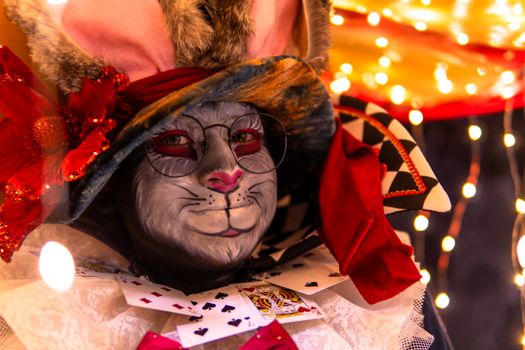
The Queen of Hearts is a main antagonist in Alice’s Adventures in Wonderland. She rules Wonderland with an iron fist, frequently ordering executions for the slightest offenses. Her favorite phrase is “Off with their heads!” and she presides over a chaotic trial near the end of the book. Despite her fearsome commands, the Queen’s threats are often not carried out, as the King of Hearts quietly pardons those she condemns. Her explosive temper and obsession with control make her a memorable and intimidating figure. Readers of the original novel will find that her power is absolute in name but ineffective in practice, a detail that underscores the absurdity of Wonderland’s governance.
The Cheshire Cat: The Enigmatic Advisor
The Cheshire Cat is a grinning cat who appears and disappears at will, often leaving only his smile behind. He gives Alice cryptic advice and engages in philosophical conversations that challenge her understanding of logic and reality. The Cheshire Cat is known for telling Alice that “everyone in Wonderland is mad, including you,” a statement that sums up the book’s playful approach to reason. He helps Alice navigate the confusing landscape, pointing her toward the March Hare’s house and later appearing at the trial. The Cheshire Cat’s ability to vanish and reappear, combined with his mischievous grin, makes him one of the most iconic characters for Alice in Wonderland.
The Mad Hatter and the Tea Party
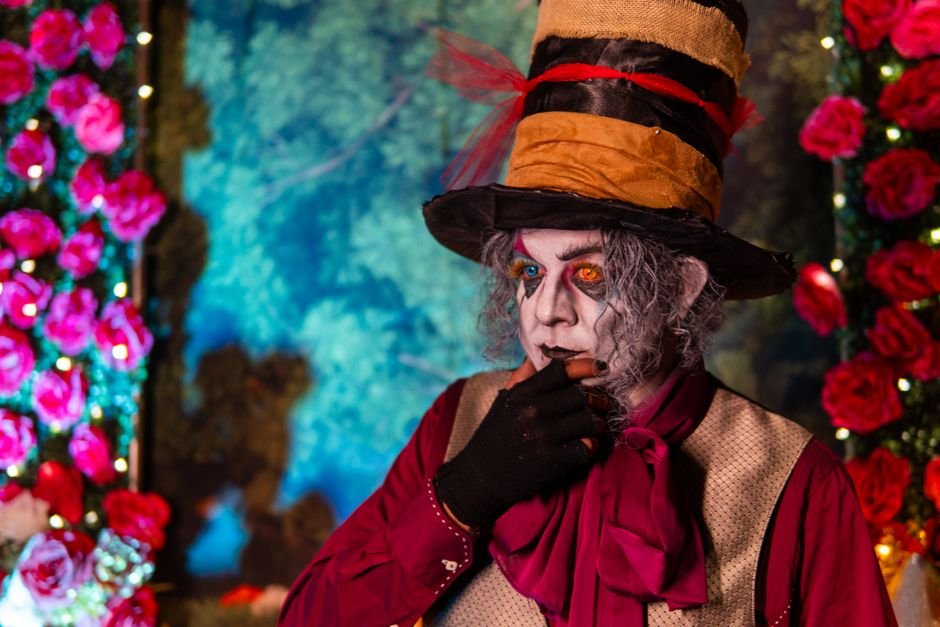
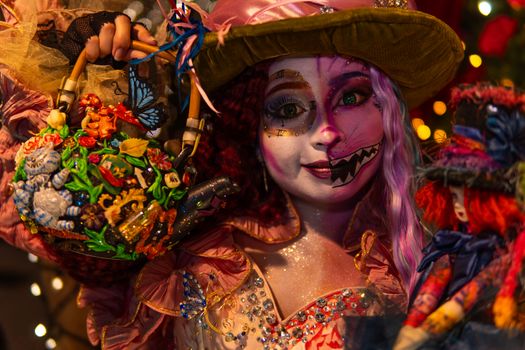
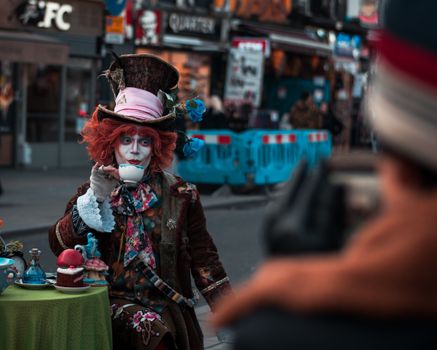
The Mad Hatter hosts an endless tea party with the March Hare and the Dormouse. Alice encounters them at the chapter titled “A Mad Tea-Party,” one of the most famous scenes in the book. The Hatter speaks in riddles and nonsense, asking Alice riddles like “Why is a raven like a writing desk?” which has no definitive answer in the story. He is perpetually stuck at six o’clock because he argued with Time, meaning it is always tea time. The Hatter later appears as a witness in the trial of the Knave of Hearts, adding to the chaotic proceedings. His eccentric behavior and distinctive hat make him a central figure in the story’s absurd world.
The March Hare
The March Hare is one of the Mad Hatter’s companions at the tea party. He is described as being mad, just like the Hatter, and is known for dipping his pocket watch in his tea and throwing food at the Dormouse. The March Hare’s name comes from the phrase “mad as a March hare,” referring to the behavior of hares during mating season. He shares the Hatter’s love of nonsensical conversation and rude behavior, making the tea party a truly bewildering experience for Alice.
The Dormouse
The Dormouse is the third member of the tea party trio. He is a small creature who is perpetually sleepy, often nodding off during the conversation. When awake, he tells a story about three sisters who live in a treacle well. The Mad Hatter and the March Hare frequently poke him or pour tea on him to keep him from falling asleep. The Dormouse later appears at the trial, where he is used as a witness and becomes the subject of further absurdity. His drowsy demeanor provides a contrast to the high energy of the Hatter and the Hare.
The Caterpillar: The Hookah-Smoking Sage
The Caterpillar is a wise but somewhat condescending character who sits on a mushroom and smokes a hookah. When Alice meets him, he asks her “Who are you?” a question she struggles to answer because she has changed size so many times. The Caterpillar gives Alice important advice about growing and shrinking: he tells her that one side of the mushroom will make her grow taller, and the other side will make her grow shorter. This advice helps Alice gain some control over her size changes, which is essential for her later encounters. The Caterpillar’s slow, deliberate manner and his cryptic remarks make him a memorable figure in the story.
Clarifying Characters for Alice in Wonderland from the Sequel
Many adaptations and popular culture references group characters from Through the Looking-Glass together with those from the first book. However, the original Alice’s Adventures in Wonderland does not include Tweedle Dee and Tweedle Dum, the Red Queen, or the White Queen. These characters appear only in the 1871 sequel, Through the Looking-Glass and What Alice Found There. If you are reading the first book and expecting to meet Tweedle Dee and Tweedle Dum, you will not find them. Similarly, the Red Queen who shouts “Off with her head” is a different character from the Queen of Hearts. Understanding which characters belong to which book can deepen your appreciation of Carroll’s two distinct Wonderland tales.
Minor characters from Alice’s Adventures in Wonderland include the Mouse, the Dodo, the Lory, and other creatures who appear early in the story during the Caucus Race. Alice’s cat Dinah is mentioned as a pet at home but does not appear as a character within Wonderland; some stage or film adaptations have given Dinah a more active role, but in the original novel she only appears in Alice’s memories. The Duchess, the Cook, and the Baby who turns into a pig also appear in the book, adding to the richness of Wonderland’s population.
Frequently Asked Questions
How many main characters are there in Alice’s Adventures in Wonderland?
There is no fixed number of main characters, as different analyses include different figures. However, the most commonly recognized main characters from the original book are Alice, the White Rabbit, the Queen of Hearts, the Cheshire Cat, the Mad Hatter, and the Caterpillar. These characters appear across multiple chapters and drive the story’s major events.
Are Tweedle Dee and Tweedle Dum in the first Alice book?
No, Tweedle Dee and Tweedle Dum do not appear in Alice’s Adventures in Wonderland. They are characters from Lewis Carroll’s sequel, Through the Looking-Glass. Many film and stage adaptations merge characters from both books, which can cause confusion. Readers looking for the original novel will not encounter the Tweedle brothers.
Who is the main antagonist in Alice’s Adventures in Wonderland?
The Queen of Hearts is the main antagonist. She is known for her short temper and frequent orders of execution, shouting “Off with their heads!” at anyone who displeases her. While she creates the most dramatic tension, her threats are often quietly overturned by the King of Hearts, which adds a layer of absurdity to her role as a villain.
What is the role of the Cheshire Cat?
The Cheshire Cat serves as a guide and advisor to Alice, though his advice is cryptic and often frustrating. He appears and disappears at will, sometimes leaving only his grin behind. He explains the madness of Wonderland and helps Alice find her way, but his statements are deliberately ambiguous, reflecting the story’s playful rejection of conventional logic.
Does Alice’s cat Dinah appear in the original book?
Dinah is mentioned in the original novel as Alice’s cat at home, but she does not appear as a character in Wonderland. Alice thinks about Dinah several times, and some adaptations have added Dinah as a companion during the adventure, but in Lewis Carroll’s text, Dinah remains in the real world while Alice explores the rabbit hole.