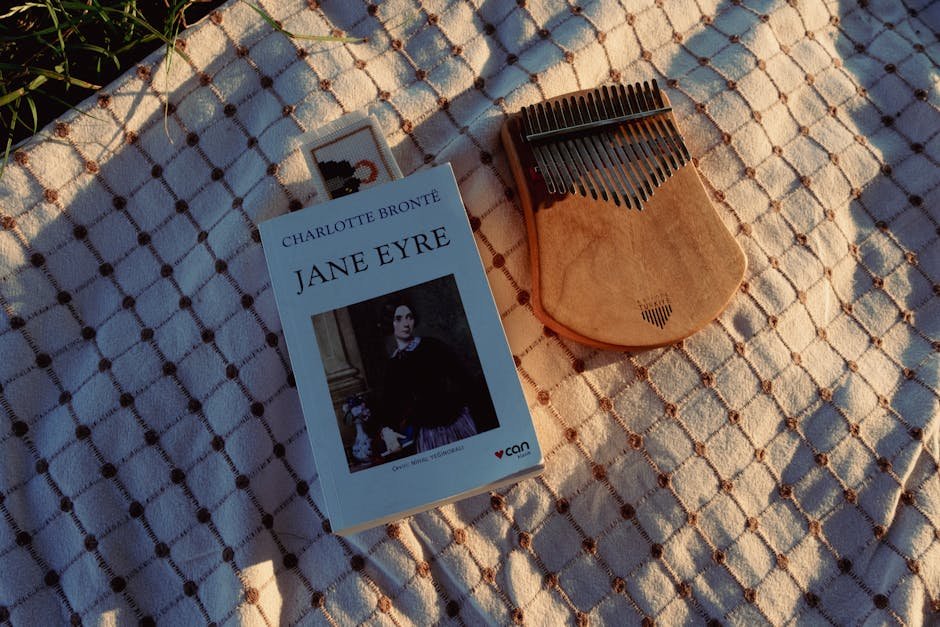
Jane Eyre is a novel by English writer Charlotte Brontë, published under her pen name Currer Bell on 19 October 1847 by Smith, Elder & Co. of London. From the moment it appeared, the book stood apart from other fiction of its era. It is a bildungsroman, a story that follows the experiences of its eponymous heroine as she grows from a mistreated orphan into an independent woman. The novel’s intimate first-person narrative, its unflinching social commentary, and its passionate love story have kept it in print for more than 175 years. In 2003, Jane Eyre was ranked as the tenth best-loved book in Britain by the BBC in The Big Read poll, and it remains one of the most famous romance novels alongside Jane Austen’s Pride and Prejudice.
Background and Publication
Charlotte Brontë began writing Jane Eyre while staying in Manchester, caring for her father who was having cataract surgery. The novel was an immediate commercial success, selling out its first print run of 500 copies within two months. The first American edition was published in January 1848 by Harper & Brothers of New York. The book’s success was remarkable because it broke new ground in the way a story could be told. Literary critic Daniel S. Burt called Charlotte Brontë “the first historian of the private consciousness” and a literary ancestor of Marcel Proust and James Joyce. By choosing to write in the first person, Brontë gave readers direct access to Jane’s thoughts, emotions, and moral struggles, a technique that revolutionized prose fiction.
The setting of Jane Eyre is Northern England in the early 19th century, during the reign of George III (1760–1820). This period was marked by rigid class structures and limited opportunities for women, which Brontë addresses directly in the narrative. The character of Helen Burns, the saintly friend Jane meets at Lowood School, was based on Charlotte’s older sister Maria, who died of tuberculosis at age 11. The fictional Thornfield Hall, where Jane works as a governess and meets Mr. Rochester, was likely inspired by North Lees Hall in Derbyshire, which Charlotte Brontë visited in 1845.
Plot Summary
Jane Eyre’s story unfolds in five distinct stages, each shaping her character and outlook.
Orphaned Childhood
Jane is orphaned and placed with her cruel aunt, Mrs. Reed, at Gateshead Hall. Mrs. Reed treats Jane harshly, and her children bully the young girl. After a violent confrontation, Jane is sent away to Lowood Institution, a charity school for orphaned girls.
Lowood School
At Lowood, Jane endures poor living conditions, cold meals, and harsh discipline. She forms a close bond with Helen Burns, a thoughtful and forgiving older girl. Helen dies of tuberculosis, an event that deeply affects Jane. Despite the hardships, Jane excels as a student and later becomes a teacher at the school.
Thornfield Hall
Seeking a new life, Jane accepts a position as governess at Thornfield Hall, teaching the young French girl Adèle Varens. There she meets the brooding and enigmatic master of the house, Mr. Rochester. Jane and Rochester fall in love, and he proposes marriage. But on their wedding day, Jane discovers that Rochester is already married to a woman named Bertha Mason, who is kept locked in the attic. Bertha is violent and mentally ill. Heartbroken and unwilling to become Rochester’s mistress, Jane flees Thornfield.
Flight and Independence
Jane wanders destitute until she is taken in by the Rivers family. She learns that she has inherited a fortune from an uncle and discovers that the Rivers siblings are her cousins. Jane shares her inheritance with them and becomes a schoolteacher in the village. St. John Rivers, the earnest and ambitious clergyman, asks Jane to marry him and accompany him on his missionary work in India. Jane nearly agrees but realizes she cannot marry without love.
Return to Rochester
Still haunted by thoughts of Rochester, Jane returns to Thornfield Hall. She finds the house burned down. She learns that Bertha Mason set the fire, and in trying to save her, Rochester was blinded and lost a hand. Rochester now lives in seclusion at Ferndean Manor. Jane goes to him, and they reunite. The famous line “Reader, I married him” marks their union at the end of the novel.
Themes and Innovations
Jane Eyre is considered an early feminist novel for its exploration of women’s independence and equality. Jane repeatedly asserts her right to be treated as a full human being, regardless of her poverty or gender. The novel also contains elements of social criticism with a strong sense of Christian morality and is considered ahead of its time in its approach to class, sexuality, religion, and feminism. The novel is written as a first-person narrative from Jane’s perspective, an innovative style for its time. This technique allows readers to experience her moral and spiritual development directly, making the story intensely personal. The character of Bertha Mason, the “madwoman in the attic,” has been the subject of extensive literary analysis, often interpreted as a symbol of the repressed rage of women in Victorian society.
Adaptations and Legacy
Jane Eyre has inspired more than 70 adaptations, including films, television series, stage plays, and even ballet. Orson Welles and Joan Fontaine starred in a 1943 film version. More recent adaptations include the 2011 film starring Mia Wasikowska and Michael Fassbender, and a 2006 BBC television series with Ruth Wilson and Toby Stephens. The novel’s influence extends beyond direct adaptations. The famous line “Reader, I married him” has been referenced and parodied countless times in literature and popular culture. The book’s exploration of a woman’s inner life paved the way for modernist writers such as Virginia Woolf and James Joyce. Along with Jane Austen’s Pride and Prejudice, Jane Eyre is one of the most famous romance novels in the English language.
Why Read Jane Eyre Today
Jane Eyre remains compelling because its central concerns are timeless. The struggle for self-respect, the search for love without sacrificing one’s principles, and the demand for equality in relationships are as relevant now as they were in 1847. The novel’s first-person voice creates an intimacy that draws readers into Jane’s world, making her triumphs and sorrows deeply felt. For modern readers, the book offers a window into Victorian society while challenging assumptions about class, gender, and morality. It is a story about a woman who refuses to be defined by her circumstances, a message that continues to inspire. Whether you are a student, a lover of classic literature, or someone new to Brontë’s work, Jane Eyre rewards reading and rereading.
If you are looking to add this masterpiece to your digital library, classicliteraturebooks.com offers affordable ebook editions in both Epub and Kindle formats. Download your copy of Jane Eyre for $2.99 and experience the novel that revolutionized fiction and gave literature one of its most unforgettable heroines.
Frequently Asked Questions
When was Jane Eyre first published?
Jane Eyre was first published on 19 October 1847 by Smith, Elder & Co. of London under Charlotte Brontë’s pen name Currer Bell. The first American edition followed in January 1848. The novel sold out its initial print run of 500 copies within two months, signaling its immediate popularity.
What makes Jane Eyre a feminist novel?
Jane Eyre is considered an early feminist novel because it explores women’s independence and equality. Through Jane’s first-person narrative, the book challenges the limited roles available to women in the 19th century. Jane insists on being treated as an equal and refuses to compromise her moral principles for love or security.
Is Jane Eyre based on a true story?
While Jane Eyre is a work of fiction, it contains elements drawn from Charlotte Brontë’s life. The character of Helen Burns was based on her older sister Maria, who died of tuberculosis at age 11. Thornfield Hall was likely inspired by North Lees Hall in Derbyshire, which Brontë visited in 1845.
What is the meaning of “Reader, I married him”?
This famous line appears near the end of the novel when Jane narrates her reunion and marriage to Mr. Rochester. It is a direct address to the reader that breaks the fourth wall, a bold move for Victorian fiction. The line has been referenced and parodied widely in literature and popular culture.
How many adaptations of Jane Eyre exist?
Jane Eyre has inspired more than 70 adaptations, including films, television series, stage plays, and radio dramas. Notable versions include the 1943 film starring Orson Welles and Joan Fontaine, the 2011 film with Mia Wasikowska and Michael Fassbender, and the 2006 BBC miniseries with Ruth Wilson and Toby Stephens.