
The Count of Monte Cristo book is an adventure novel by Alexandre Dumas, written in collaboration with Auguste Maquet. Serialized from 1844 to 1846 and published in book form in 1846, it remains one of Dumas’s most popular works, alongside The Three Musketeers and The Man in the Iron Mask. The original French title is Le Comte de Monte-Cristo. The novel is set in France, Italy, and Mediterranean islands during the period 1815 through 1839, spanning the Bourbon Restoration through the reign of Louis Philippe I. With its intricate plot, memorable characters, and enduring themes, The Count of Monte Cristo has captivated readers for nearly two centuries.
The Story of Edmond Dantès
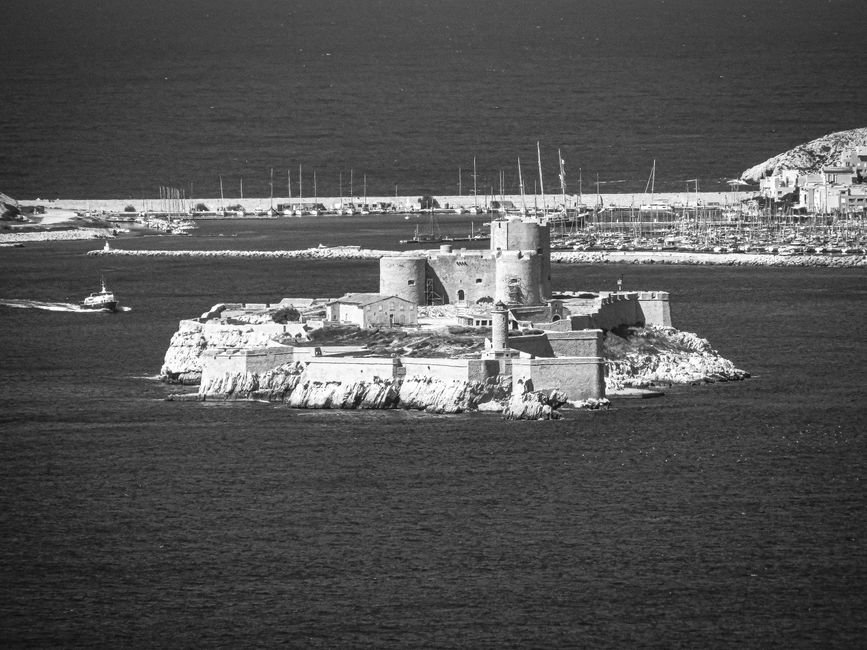
The protagonist of the novel is Edmond Dantès, a young sailor who is falsely accused of treason and imprisoned at the Château d’If, a notorious island fortress off the coast of Marseille. Dantès is betrayed by men who envy his success and fear his rising status. His imprisonment strips him of his freedom, his fiancée, and his future. In the depths of despair, Dantès meets a fellow prisoner, Abbé Faria. Faria becomes a mentor, educating Dantès in languages, science, history, and philosophy. During their long confinement, Faria also reveals the location of a hidden treasure on the island of Monte Cristo.
After Faria dies, Dantès escapes from the Château d’If and makes his way to Monte Cristo, where he recovers the enormous fortune. With this newfound wealth, Dantès assumes the identity of the Count of Monte Cristo, a mysterious and powerful figure. He then sets out to exact revenge on the four men who conspired to destroy his life. Each of his enemies has risen in society: one is a wealthy banker, another a prominent politician, a third a successful military officer, and the fourth a corrupt magistrate. Over the course of the novel, the Count systematically dismantles their lives, using disguise, manipulation, and patience to bring about their downfalls.
The novel does not end with vengeance alone. As the Count carries out his plans, he begins to question the morality of his actions. He encounters innocent people caught in the crossfire, and he must decide whether mercy and forgiveness have a place in his mission. The novel ends with Dantès departing with his former slave and lover Haydée, having abandoned his complete devotion to revenge. This resolution transforms the story from a simple tale of payback into a deeper exploration of human growth and redemption.

Themes of Justice, Mercy, and Forgiveness
The Count of Monte Cristo explores several profound themes that give the novel its lasting power. Hope is a central force in the story. During his years in prison, Dantès clings to the hope of escape and vindication. That hope is kindled by Abbé Faria, who gives Dantès the tools to survive and eventually transform his life. The treasure on Monte Cristo becomes a symbol of hope realized, but it also becomes a test of Dantès character.
Justice and vengeance are the most prominent themes. Dantès believes he is carrying out divine justice as he punishes his enemies. Yet the novel raises questions about the nature of justice. Is revenge the same as justice? Can an individual rightly take on the role of judge and executioner? Dantès himself struggles with these questions as the story progresses. His journey forces readers to consider whether vengeance brings satisfaction or whether it hollows out the person who pursues it.
Mercy and forgiveness ultimately balance the narrative. The Count does not destroy all of his enemies completely. He spares those who show remorse or who were not fully complicit in his betrayal. The novels conclusion, in which Dantès leaves behind his revenge and sails away with Haydée, suggests that forgiveness offers a more complete peace than vengeance ever could. These intertwined themes make The Count of Monte Cristo a rich and rewarding novel that rewards rereading.
Publication History and Creative Partnership
The Count of Monte Cristo was written by Alexandre Dumas in collaboration with Auguste Maquet. Maquet was a frequent collaborator of Dumas and played a significant role in structuring the plot and researching historical details. The novel was first published in serial form between 1844 and 1846 in the French newspaper Le Journal des Débats. Serials were a popular format in the nineteenth century, and Dumas was a master of the cliffhanger, keeping readers eagerly awaiting each new installment. The novel was published in book form in 1846, although some sources, including Britannica, suggest a book publication date of 1844 to 1845. Readers should consult the original publication details for the most precise timeline.
The novel is set against the historical backdrop of the Bourbon Restoration and the reign of Louis Philippe I, a time of political upheaval and social change in France. Dumas and Maquet used this setting to create a story that feels grounded in real events while also being a sweeping adventure. The island of Monte Cristo itself is a real location in the Tuscan Archipelago, though Dumas took creative liberties with its description and the treasure hidden there. The collaboration between Dumas and Maquet was highly productive, and The Count of Monte Cristo remains a landmark of their partnership.

Notable Editions of The Count of Monte Cristo Book
The Count of Monte Cristo is widely available in many editions and translations. One of the most recommended English translations is the Penguin Classics edition translated by Robin Buss. This edition has 1312 pages and was published on May 27, 2003, with a list price of $16.00. The Buss translation is praised for its completeness and its readable modern English, which preserves the pace and drama of the original French. Many readers and scholars consider it the definitive English version for contemporary audiences.
The Goodreads listing for the paperback edition reports 1276 pages and shows a rating of 4.33 out of 5, based on over 1,060,000 ratings and more than 46,000 reviews. These figures demonstrate the novel’s enduring popularity and its high esteem among modern readers. Some editions, as noted in reader discussions, have 1243 pages, depending on the publisher and formatting. Page counts vary across editions, so readers should check the specific edition they purchase. The Count of Monte Cristo is available in many formats, including paperback, hardcover, and digital ebook editions. For those looking for an affordable digital version, ebook editions are available for purchase and download in Epub and Kindle formats.
When choosing an edition, readers may want to consider the translation quality, the presence of notes and introductions, and the overall page count. The Buss translation is a strong choice for its completeness and contemporary language. Older translations, such as those by anonymous Victorian translators, may abridge or alter the text. Readers interested in the full experience should seek out an unabridged edition with a modern translation.

Frequently Asked Questions
How many pages does The Count of Monte Cristo have?
The page count depends on the edition. The Penguin Classics translation by Robin Buss has 1312 pages. The Goodreads paperback edition lists 1276 pages. Another reader edition notes 1243 pages. Page counts vary by publisher and formatting, so check the specific edition you plan to read or purchase.
When was The Count of Monte Cristo published?
The novel was serialized from 1844 to 1846 in the French newspaper Le Journal des Débats. It was first published in book form in 1846. Some sources mention a book publication date of 1844 to 1845. Readers should consult original publication records for precise details.
Who wrote The Count of Monte Cristo?
The novel was written by Alexandre Dumas in collaboration with Auguste Maquet. Maquet contributed to the plot structure and historical research. Dumas is also known for The Three Musketeers and The Man in the Iron Mask. The partnership between Dumas and Maquet produced several of the most popular adventure novels of the nineteenth century.
What is The Count of Monte Cristo about?
It follows Edmond Dantès, a young sailor falsely accused of treason and imprisoned at the Château d’If. After escaping and recovering a hidden treasure, he becomes the Count of Monte Cristo and seeks revenge on those who betrayed him. The novel explores themes of hope, justice, vengeance, mercy, and forgiveness.
The Count of Monte Cristo remains one of the most beloved adventure novels ever written. Its story of betrayal, imprisonment, escape, and calculated revenge has inspired countless adaptations in film, television, and theater. Yet the novel offers more than just thrilling action. It is a deeply moral tale about the limits of vengeance and the possibility of redemption. Whether you are reading it for the first time or returning to it after many years, The Count of Monte Cristo rewards close attention and thoughtful reflection.