
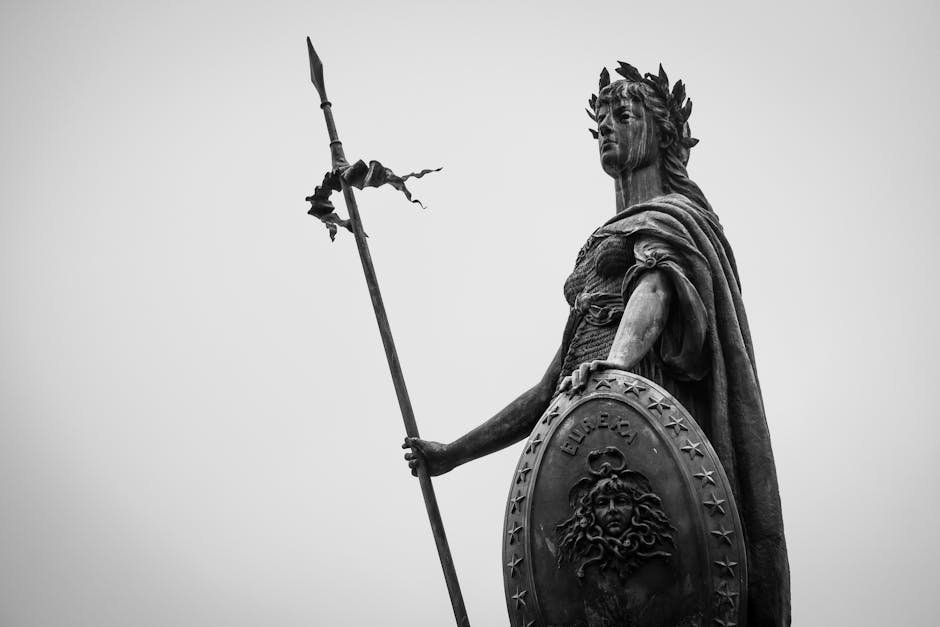
The Iliad of Homer stands as one of the most enduring works in all of Western literature. This ancient Greek epic poem, composed nearly three thousand years ago, continues to captivate readers with its intense portrayal of war, honor, rage, and mortality. Set during the final weeks of the Trojan War, the narrative centers on the anger of Achilles, the greatest of the Greek warriors, and traces the devastating consequences of that fury for both the Achaeans and the Trojans. The poem is one of two major ancient Greek epic poems attributed to Homer, the other being the Odyssey, and it is often regarded as the first substantial piece of European literature.
What Is the Iliad?
The Iliad is an ancient Greek epic poem attributed to Homer. Its title means “a poem about Ilion (Troy),” and it is one of the oldest extant works of literature still widely read by modern audiences. The poem is written in dactylic hexameter and is divided into 24 books. The standard edition of the Iliad contains 15,693 lines, making it a substantial work that rewards careful reading. Although the exact date of its composition is uncertain, scholars estimate it was composed orally circa 660–650 BCE, though traditional dating sometimes places it as early as 800 BCE or the late 8th or early 7th century BC. The poem was written in Homeric Greek, a literary dialect that combines elements from several ancient Greek dialects.
The Story of the Iliad
The narrative of the Iliad unfolds during the final weeks of the Trojan War, a conflict that, according to myth, began when the Trojan prince Paris abducted Helen, the wife of the Greek king Menelaus. The poem does not recount the entire war from beginning to end. Instead, it focuses on a narrow slice of the conflict: the quarrel between King Agamemnon, the commander of the Greek forces, and the warrior Achilles, the son of the sea nymph Thetis. This quarrel sets off a chain of events that leads to devastating losses on both sides and culminates in the death of the Trojan prince Hector.
The epic opens with a plague sent by the god Apollo to punish the Greeks for Agamemnon’s refusal to return the captive woman Chryseis to her father, a priest of Apollo. Agamemnon reluctantly gives her back but then demands that Achilles surrender his own war prize, the woman Briseis, as compensation. Enraged by this insult to his honor, Achilles withdraws from the fighting and refuses to fight alongside his fellow Greeks. Without their greatest warrior, the Greek army begins to suffer heavy losses at the hands of the Trojans, led by Hector, the noble son of King Priam.
Achilles eventually allows his close friend Patroclus to rejoin the battle wearing Achilles’ armor, hoping to rally the Greeks and drive back the Trojans. Patroclus fights bravely but is killed by Hector. Overcome with grief and rage, Achilles returns to the battlefield seeking vengeance. He kills Hector in single combat outside the walls of Troy and then refuses to return Hector’s body to his father, instead dragging it behind his chariot around the city. The poem ends not with the fall of Troy but with a moment of profound humanity: old King Priam, guided by the gods, ventures secretly into the Greek camp to ransom his son’s body, and Achilles, moved by the king’s grief, relents and returns Hector’s remains. The final lines of the epic describe the funeral of Hector, bringing the story to a somber and reflective close.
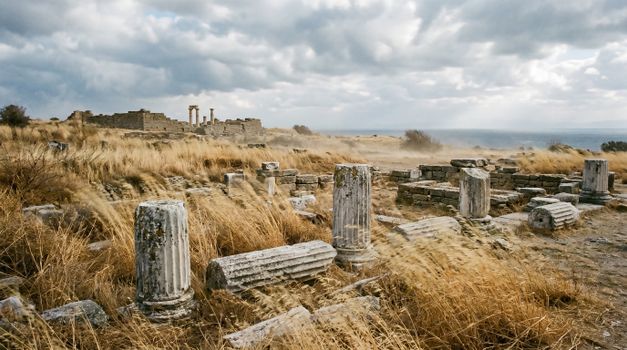
Major Characters in the Iliad
Achilles
Achilles is the central figure of the poem. He is the son of the sea goddess Thetis and the mortal Peleus, making him a demigod of immense strength and skill. His rage is the engine of the plot, and his journey from prideful withdrawal to grief-stricken vengeance to reluctant compassion forms the emotional core of the epic. Achilles must choose between a long, peaceful life and a short, glorious death on the battlefield, and the poem explores the heavy cost of the choice he makes.
Agamemnon
King Agamemnon is the leader of the Greek expedition against Troy. He is powerful and proud, but his arrogance and poor judgment provoke the quarrel with Achilles that sets the tragedy in motion. His inability to manage his own temper and his disregard for the honor of his best warrior create a rift that nearly costs the Greeks the war.
Hector
Hector is the noblest of the Trojans, the son of King Priam, and the husband of Andromache. He fights not for glory but for his family and his city. He is a devoted father, husband, and son, and his death at the hands of Achilles is the most heartbreaking event in the poem. Hector stands in stark contrast to Achilles: where Achilles is driven by personal honor and rage, Hector fights out of duty and love.
Other Key Figures
The poem features a large cast of gods and mortals. Zeus, Hera, Athena, Apollo, and other Olympian gods intervene constantly in the fighting, taking sides and manipulating events. Among the human characters, Odysseus, the clever king of Ithaca who will later be the hero of the Odyssey, plays a supporting role. Patroclus, Achilles’ beloved companion, and Priam, the grieving father of Hector, also play pivotal roles in advancing the story’s themes of love, loss, and reconciliation.
The Structure and Style of the Poem
The Iliad is written in dactylic hexameter, the standard meter of ancient Greek epic poetry. This rhythmic pattern, combined with a rich collection of formulas and epithets, suggests that the poem was composed orally, passed down through generations of bards before being written down. The use of repeated phrases, such as “swift-footed Achilles,” “lord of men Agamemnon,” and “Hector of the shining helmet,” helped the poet compose in performance and gave the audience familiar touchstones. The poem is divided into 24 books, a division that may have been made by later editors but that now serves as a convenient way to navigate the text. The standard edition of the Iliad contains 15,693 lines, a length that demands a sustained commitment from the reader but rewards that commitment with a deeply moving experience.
Why the Iliad Still Matters
The Iliad of Homer is not a chronicle of historical fact. It is a work of literature that uses the backdrop of the Trojan War to explore timeless human questions. What is the price of pride? How do we cope with grief and mortality? What does it mean to be honorable in a world filled with violence and suffering? These questions are as relevant today as they were in ancient Greece. The poem’s exploration of the psychology of warriors, its unflinching portrayal of the brutality of battle, and its moments of profound tenderness have influenced countless writers, artists, and thinkers across the centuries. From Virgil’s Aeneid to the films of our own time, the echoes of the Iliad are everywhere. For anyone seeking to understand the foundations of Western storytelling, reading the Iliad is an essential step.

Choosing a Translation
Because the Iliad was written in Homeric Greek, most modern readers encounter it through translation. Choosing a translation is an important decision, as each translator brings a different style and sensibility to the poem. The Robert Fagles translation is one of the most popular English versions, praised for its readability and poetic power. The Samuel Butler translation, though older and more formal in style, is widely available online and has introduced many readers to the epic. The A.S. Kline translation is another option, often available as a PDF. Each translation has its strengths, and readers may wish to compare passages from several versions to find the one that speaks to them most clearly. No matter which translation you choose, the power of the story will come through. For a convenient and affordable digital edition that you can carry with you and read anywhere, you can find the Iliad in ebook format at Classic Literature Books, available for immediate download in a format suited for modern reading devices.
Comparing the Iliad and the Odyssey
| Aspect | The Iliad | The Odyssey |
|---|---|---|
| Setting | Final weeks of the Trojan War | The ten-year journey home after the Trojan War |
| Central character | Achilles (wrath, grief, honor) | Odysseus (cunning, perseverance, homecoming) |
| Theme | Rage, mortality, the cost of war | Return, identity, the challenges of homecoming |
| Tone | Somber, tragic, intense | Adventurous, episodic, with elements of romance and fantasy |
Both poems are essential reading, but they offer very different experiences. The Iliad is a concentrated, intense work that explores the dark heart of war and the human capacity for both destruction and compassion. The Odyssey is a sprawling adventure story that ranges across the Mediterranean world, filled with monsters, enchantresses, and tests of wit. Together, they provide two complementary perspectives on the Trojan War and its aftermath. Readers who finish the Iliad often find themselves eager to continue the story by reading the Odyssey as well.
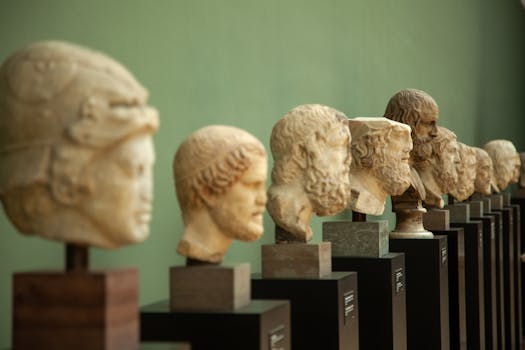
How to Read the Iliad Today
There are many ways to access the Iliad. Free editions are available online through sources such as Project Gutenberg, which offers the full text of the Samuel Butler translation, and the Internet Classics Archive at MIT. The A.S. Kline translation is also available as a free PDF from some educational websites. These free editions are a wonderful resource for anyone who wants to explore the poem without any financial commitment. For readers who prefer a modern, accessible translation in a digital format that is easy to carry and search, a purchased ebook edition of the Iliad offers convenience and quality. Whether you are reading for a class, for personal enrichment, or out of simple curiosity, the Iliad rewards every reader who approaches it with an open mind and a willingness to engage with a story that has moved audiences for nearly three thousand years.
Frequently Asked Questions
Who wrote the Iliad?
The Iliad is attributed to Homer, an ancient Greek poet about whom very little is known with certainty. It is one of two major epic poems attributed to him, the other being the Odyssey. The poem was composed orally and later written down, and whether Homer was a single historical figure or a name given to a tradition of bards is a matter of scholarly debate.
Is the Iliad a true story?
The Iliad is a work of literature, not a historical record. While it is set against the backdrop of the Trojan War, a conflict that may have had some basis in historical events, the poem includes gods, demigods, and fantastical elements. It should be read as a powerful work of fiction that explores universal human themes rather than as a factual account.
How long does it take to read the Iliad?
The standard edition of the Iliad contains 15,693 lines, divided into 24 books. The length of time it takes to read depends on the pace of the reader and the translation chosen. Many readers find that reading one or two books per day allows them to finish the poem in two to three weeks while still absorbing the richness of the story.
Do I need to know Greek mythology to understand the Iliad?
No prior knowledge of Greek mythology is required. The poem introduces its characters and gods in context, and modern editions often include helpful notes and introductions. A willingness to engage with a story from a different time and culture is more important than any specific background knowledge. Reading the Iliad is itself an excellent way to learn the key myths of ancient Greece.
What is the best translation of the Iliad?
There is no single best translation, as each reader will have different preferences. The Robert Fagles translation is widely praised for its modern readability and poetic energy. The Samuel Butler translation, available for free online, is an older but still serviceable option. Many readers enjoy comparing passages from multiple translations. For a high-quality digital edition that you can download and read immediately, consider the ebook version available at Classic Literature Books.
The Iliad of Homer is a poem that has survived for millennia because it speaks to something deep and lasting in the human experience. Its characters are not remote figures from a distant past but recognizable people who feel rage, grief, love, and hope in ways that resonate across time. To read the Iliad is to encounter one of the foundational stories of Western civilization and to join a conversation that has been ongoing for nearly three thousand years. Whether you choose a free online text or a purchased ebook edition, the journey into the world of the Iliad is one that no reader should miss.